

 Automated Creative
 23 Mar 2026

Book a 30-min demo to see how our platform generates and optimises social, display, video and retailer media ads.
Learn how to optimise ad creative, improve campaign performance and speed up production in our resource library. You’ll find events, guides and industry commentary on agile ad testing, creative tactics and building a modern brand.
Book A Demo
Balance Opportunity Against Overreliance With AI In Marketing
Scaling Paid Media Campaigns With Less In An Era Of Scrutiny
Ad Optimisation Should Be Every Marketer's Priority
How Do Brands Keep the Human Touch In An AI-Powered Future?


Automated Creative
23 Mar 2026
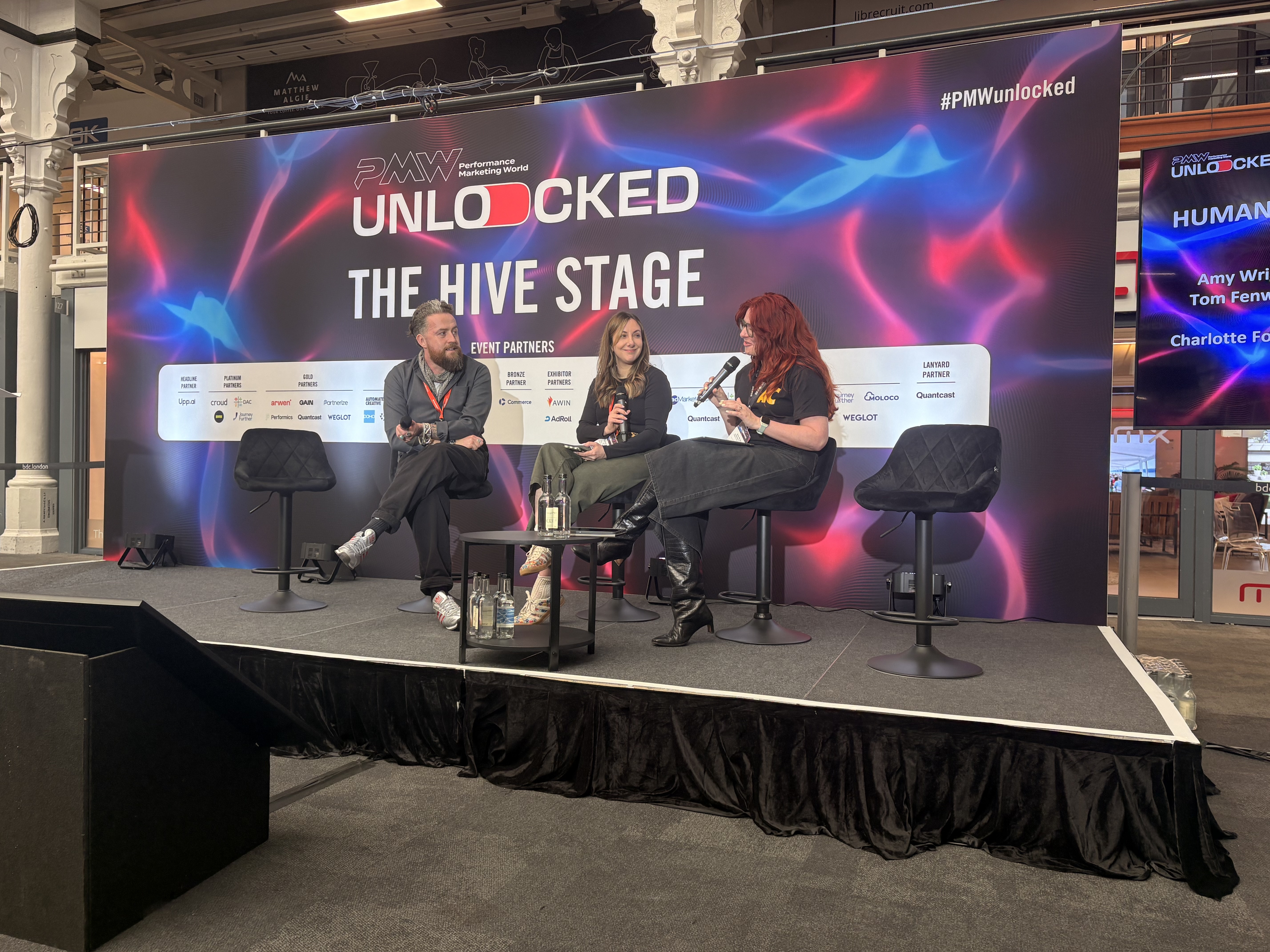
Conversation flowed from the future of the workplace, to the subtleties of human taste, and the risk of creating mediocre ads. The common thread throughout? Having a solid creative strategy is crucial to keeping a brand relevant in the digital age.
The panel kicked off with a much-needed reality check on how AI is actually being used by marketing teams. It feels like there’s a frantic rush towards adoption, but as Charlotte pointed out, a lot of it is just noise. When we inject AI into the creative conceptualisation and build, we risk removing the human connection behind marketing. Forward-thinking businesses should have AI advertising tools on hand, but should rethink the way that the resource is being deployed. Charlotte shared that one of the most impactful ways she’d used AI was to interrogate her briefs. Using the tool to ‘rip them to shreds’ allows her to strengthen her proposals back up ahead of taking them to the boardroom, pre-incorporating potential feedback from the board.
Tom backed this up, but from a slightly different angle. For him, the AI engine empowers smaller marketing teams to scale up paid media campaigns in a way that was previously impossible. It allows them to ‘punch above their weight’, turning out high-quality creative advertising campaigns at speed that used to require a massive agency overhead.
In a world where anyone can generate a high-definition image in seconds, taste becomes the ultimate competitive advantage. The group discussed that every member of the creative team is hired for their individual preferences and eye- a trait that leaders must nurture. When it comes to building world-class creative, the human touch is essential. AI can build creative, but it can’t generate a true human experience. Tom noted that ‘the top 5% of creativity is where divergent thinking and taste really matter. The ability to define the problem in a way that feels human and interesting sets the trajectory for the next 95%. This is where value is built at scale. If that starting point is wrong, or automated into something dull, the battle is lost before it even begins.’
Human-led insight is key to world-class creative that AI simply cannot replicate. ‘Marketing is progressing so quickly, that even taking a small amount of time out can pose a challenge’, Charlotte noted. The risk of falling behind is real, but Amy reflected that speed to market shouldn’t lead to aimless volume. Scaling your advertising campaigns needs to be strategic. If you aren’t using ad data to inform those choices, you’re guessing at scale.
The panel observed that there's often a misalignment between our internal structures and brand longevity. Our ways of working are trapped in a short-term loop, driven by immediate KPIs. These incentives reward immediate clicks and vanity metrics, but they don’t correlate with building a durable, long-term brand.
AI is being increasingly used to generate new creative advertising ideas and scale paid media campaigns faster, but risks damaging consumers’ trust in the brand. Yes, AI in digital marketing is paving the way for a quick and scalable go-to-market, but we should be wary of the long term risks.
The question is: how do we bridge that gap while still scaling advertising campaigns? We lean into human moments first. Amy pointed to a Nivea campaign Automated Creative had worked on. She commented: “weird works: for Nivea we found when we scaled ads pointing to online content, the rhetorical ‘itchy armpits?’ outperformed more conventional ads by signposting skincare tips or advice.” The creative performed as well as it did because it reflected a visceral, human moment that resonated with the audience. In short, the creative was authentic and relatable.
We’ve all seen slightly ‘off’ looking imagery in our social scrolls. Amy highlighted that these feeds are often a combination of bad human creative and poor AI content. Ad slop. Charlotte pointed out that we’ve become trapped in Meta squares, and have forgotten the broader story. She challenged creatives to think bigger. How would you tell the same brand story in a letter, presentation or podcast? The essence of the brand should be the same across every touchpoint.
‘AI shows us where there is no creativity or idea’, added Tom. If a campaign lacks a core concept, the use of AI makes that vacancy more apparent. Teams need to look towards agile ad testing to see which concepts actually hold water before they hit the ‘scale’ button.
As the panel drew to a close, the speakers offered a new perspective. Tom reminded the audience that the printing press and first computers were once scary innovations that people feared would replace human intelligence. Instead, they became indispensable tools. They may have changed the way people work, but they didn’t replace them. AI is no different.
Charlotte emphasised that while channels have become increasingly fragmented, human behaviour- reading, writing, the need for conversation- remain constant. In our marketing, we must always start by thinking about human engagement first and foremost.
Amy left the audience with a piece of practical advice: adjust your mindset. Don’t fear the new tool, start playing with it. Use AI advertising to find what actually works for your specific process. Whether you’re wanting to generate new creative advertising ideas or looking for ways to scale ad creative faster, the only way to win is to keep the human in the driver’s seat.
Use AI to stress-test your ideas, not just generate them
Nurture taste. Your team’s individual preferences are your best defence against AI slop
Human first, AI second. Find the relatable, human moment before you scale
Play with new tools. Shift your mindset from ‘protection’ to ‘exploration’.
So, to summarise. AI can give a brand wings, but humans must remain the pilot. We must focus on creative advertising campaigns that prioritise human-led insight, we can ensure that brands are not just automated, but remain intentionally human.